
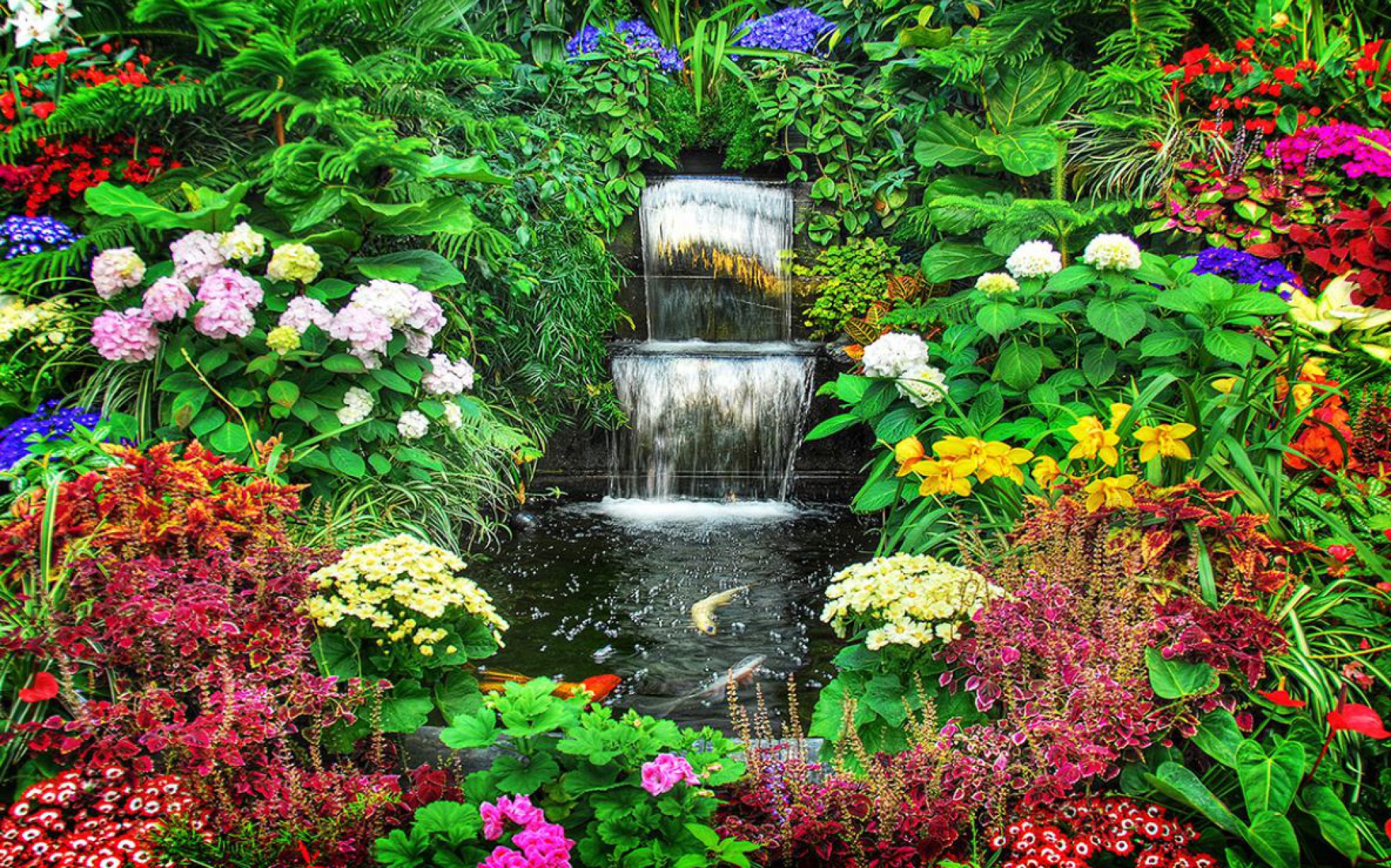
Yes, August seems late in the season to be talking about designing, or planning a garden, but it’s a time of year that you can take a look at what you have and think about what you might want to do next year. You may be one who just wants a simple vegetable garden for a source of fresh produce. However, with a little planning you can aim for a haven of natural beauty, a sanctuary for sustainable living, and a canvas for their creativity. Whether you’re a seasoned gardener or just starting out, designing an efficient and aesthetically pleasing vegetable garden is key to a successful and rewarding gardening experience. Let’s explore the essential elements of a well-planned vegetable garden that balances functionality, aesthetics, and sustainability.
- Site Selection and Preparation
Before you dive into designing your vegetable garden, carefully choose the right location. Look for an area that receives ample sunlight (at least 6-8 hours a day), has good soil drainage, and is easily accessible for maintenance. Once you’ve selected your spot, clear away any debris, weeds, or rocks, and consider incorporating compost or organic matter to enrich the soil.
- Garden Bed Styles
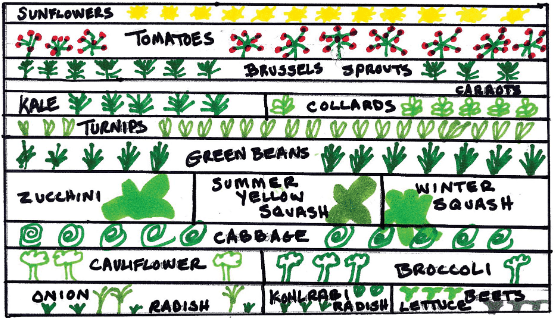
Vegetable gardens can take various forms, from traditional rows to raised beds, square-foot gardening, and even container gardening. Each style has its benefits, so choose one that aligns with your space, preferences, and physical abilities.
- Raised Beds: These offer better soil drainage, reduced soil compaction, and easier maintenance. They are ideal for small spaces or areas with poor soil quality.
- Square-Foot Gardening: This method divides the garden into a grid of square-foot sections, optimizing space and plant placement while minimizing waste.
- Container Gardening: Perfect for urban settings or limited space, containers allow you to grow vegetables on patios, balconies, or even windowsills.
- Crop Rotation and Companion Planting
To promote healthy plant growth and prevent soil-borne diseases, practice crop rotation by changing the placement of different plant families each season. Additionally, companion planting involves placing compatible plants together to enhance growth, deter pests, and improve flavor. For instance, planting marigolds near tomatoes can help repel nematodes, while growing basil alongside tomatoes can enhance their taste.
- Paths and Walkways
Incorporate well-designed paths and walkways to provide easy access to every part of your garden. Use materials like gravel, wood chips, or steppingstones to prevent soil compaction and reduce weed growth. Thoughtfully placed paths also add visual appeal and organization to your garden layout.
- Vertical Gardening
Make the most of your space by utilizing vertical gardening techniques. Trellises, cages, and stakes can support climbing plants like tomatoes, cucumbers, and beans, freeing up ground space for other crops. Vertical gardening not only maximizes your yield but also creates a lush and visually striking garden design.
- Watering and Irrigation
Efficient watering is crucial for a thriving vegetable garden. Consider installing a drip irrigation system that delivers water directly to the roots, minimizing waste and reducing the risk of fungal diseases. Mulching around plants helps retain moisture, suppress weeds, and maintain a consistent soil temperature.
- Focal Points and Aesthetics
While functionality is key, don’t overlook the aesthetics of your vegetable garden. You can integrate decorative elements like colorful flowers, ornamental grasses, or artistic garden sculptures to create visual interest and focal points. Designing your garden with an artistic eye will transform your space into a harmonious blend of utility and beauty.
You can take the opportunity now to plan for next year. Select the right site, choose the suitable garden bed style, consider crop rotation and companion planting, optimize paths and walkways, embrace some vertical gardening, and incorporate aesthetics. You can create a productive and enchanting space that yields bountiful harvests and brings joy to your gardening journey. Remember, your vegetable garden layout is a canvas for your imagination – let it reflect your personality, values, and passion for sustainable living.
 gardenersbud.blog